The Kubernetes network model
Created · Updated
The Kubernetes network model is the set of rules every cluster’s network must follow: each podpod The smallest unit Kubernetes runs: one or more containers that run on the same node and share some resources, such as a network namespace. gets its own IP address, and every pod can reach every other pod at that address, on any nodenode A machine, physical or virtual, that runs pods in a Kubernetes cluster., without address translation. Before Kubernetes, a container usually got an address on a private network inside its host, which other hosts couldn’t reach. To be reached from another host, a container’s port had to be mapped to a port on the host, and two containers couldn’t both be published on the host’s port 80. Kubernetes drops that: a pod can be treated like a small machine of its own, with its own address and every port free.
The model has these rules:
- One IP per pod: each pod gets a unique address across the whole cluster. The containers in a pod share it, and reach each other over
localhost. - Pod to pod: every pod can reach every other pod directly, on the same node or another, with no proxy and no NAT (network address translation). The receiver sees the sender’s real pod IP.
- Node to pod: agents on a node, such as the kubeletkubelet The agent that runs on each node in a Kubernetes cluster and makes sure the containers in its pods are running., can reach every pod on that node.
- Exceptions only on purpose: the rules hold unless the cluster deliberately segments the network, such as with NetworkPolicy.

What can reach a pod
The rules say who must reach a pod. Everything else depends on the cluster. On kind, an nginx pod web on kind-worker was tested from each kind of source:
The same tests, drawn where each source really sits in the kind cluster. Every arrow ends at nginx in pod web, and its label is what happened:
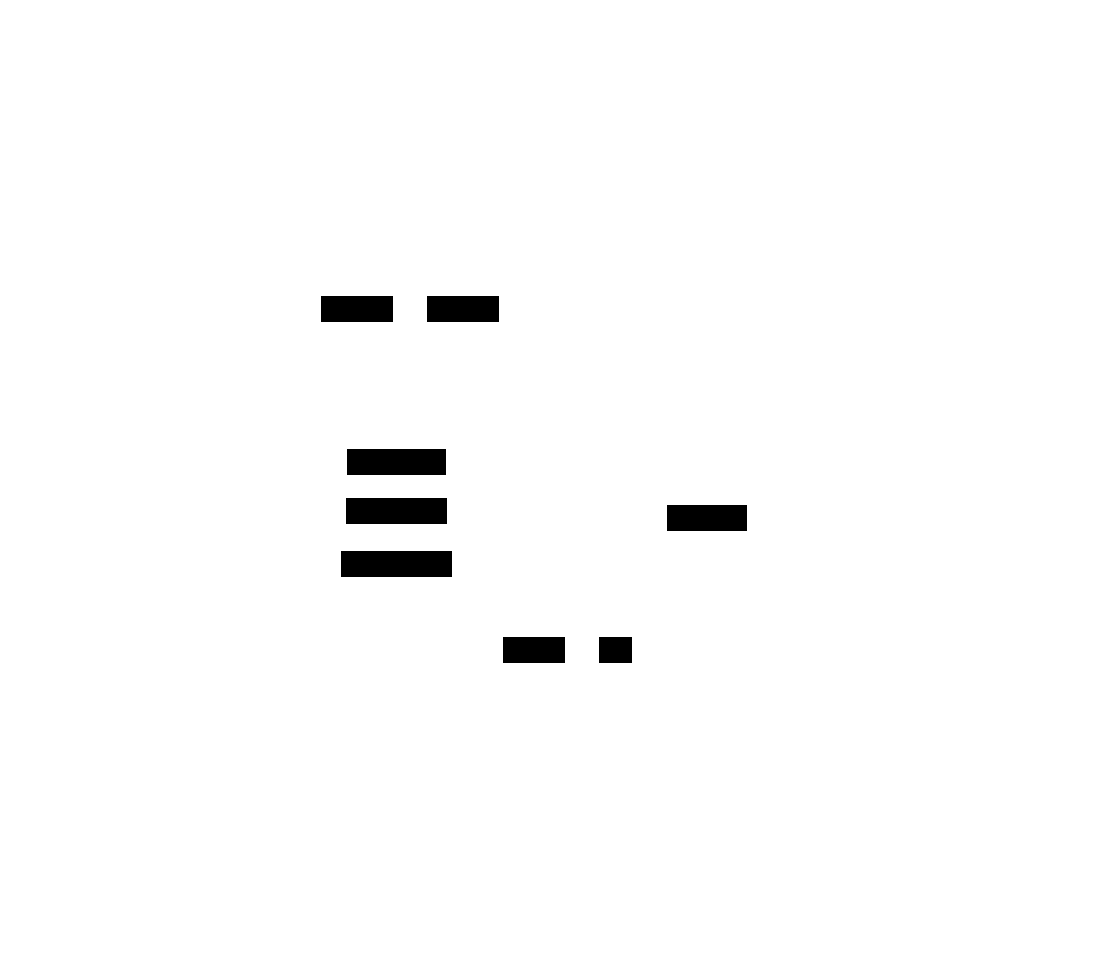
The outside sources show that pod IPs are addresses inside the cluster. A container started with docker run --network kind, on the same Docker network as the nodes, couldn’t connect to the pod IP, and neither could the Mac running kind. Neither knows that 10.244.0.0/16 lives behind the nodes. Clients outside the cluster reach pods through a Service instead. For testing, Reaching a pod while testing shows three direct routes.
Four kinds of traffic
The Kubernetes docs split cluster networking into four problems. The network model covers the first two; Services build on it for the last two:
- Container to container, in one pod: over
localhost, because the pod’s containers share one network namespace. Sidecar containers rely on this. - Pod to pod: by pod IP, as the model requires.
- Pod to Service: by a Service’s fixed IP or DNS name, which kube-proxy forwards to a pod IP.
- Outside to Service: through a NodePort, a load balancer, Ingress, or Gateway API.
Who assigns addresses
A cluster uses three ranges of addresses, which must not overlap:
- Pod IPs come from the cluster’s pod range. Each node usually gets its own slice of it, its pod CIDR, and the network plugin gives each new pod on that node an address from the slice.
- Service IPs come from a separate range, assigned by the API serverAPI server The control plane component that serves the Kubernetes API. Every other component, and every tool such as kubectl, reads and changes cluster state only through it..
- Node IPs come from the network the machines are on, reported by the kubelet or the cloud-controller-managercloud-controller-manager An optional control plane component that connects a cluster to a cloud provider, for example to create load balancers and to track the virtual machines behind nodes..
On a three-node kind cluster, the pod range is 10.244.0.0/16, the Service range is 10.96.0.0/16, and the nodes sit on Docker’s network at 172.21.0.x. Each node’s pod CIDR shows with:
kubectl get nodes -o custom-columns=NAME:.metadata.name,PODCIDR:.spec.podCIDRkubectl get nodesList the cluster’s nodes.-o custom-columns=NAME:.metadata.name,PODCIDR:.spec.podCIDRPrint only the name and the node’s slice of the pod range.
It listed 10.244.0.0/24 for the control plane, 10.244.2.0/24 for kind-worker, and 10.244.1.0/24 for kind-worker2. A pod’s IP therefore tells which node it’s on: 10.244.2.5 is on kind-worker.
Pod to pod across nodes
Two pods were placed on different nodes: an nginx pod web on kind-worker, and a busybox pod client on kind-worker2. kubectl get pods -o wide showed their IPs, 10.244.2.5 and 10.244.1.6. The client reached nginx by pod IP alone:
kubectl exec client -- wget -qO- http://10.244.2.5kubectl exec clientRun a command in the client pod.--Ends kubectl’s own options; the rest is the command.wget -qO- http://10.244.2.5Fetch nginx’s page from the web pod’s IP.
It printed nginx’s welcome page. The nginx access log, from kubectl logs web, recorded the request as coming from 10.244.1.6, the client pod’s own IP. Nothing on the way rewrote the source address, which is the “no NAT” rule at work.
How a packet gets there
Each pod has its own network namespace with one interface, eth0, holding the pod IP. That interface is one end of a veth pair, a virtual cable whose other end sits in the node’s own network namespace. The node then routes the packet like any router. On kind-worker2, ip route showed one route per other node’s pod CIDR, and one route per local pod:
10.244.0.0/24 via 172.21.0.3 dev eth0
10.244.1.6 dev vethefc3ef1c scope host
10.244.2.0/24 via 172.21.0.4 dev eth0
So a packet for 10.244.2.5 goes to kind-worker at 172.21.0.4. On kind-worker, the route 10.244.2.5 dev veth5f02253a hands it to the web pod’s veth pair.

This is one way to meet the model: plain routes, which work when all nodes share one network, as kind’s nodes do. Other network plugins wrap pod packets in packets between node IPs, called an overlay, or program the cloud provider’s routes. The model fixes what pods see, not how packets travel.
Node to pod
The kubelet sends health checks, such as readiness probes, from the node to each of its pods, so the model requires that a node reach its own pods. From kind-worker2’s own network namespace, outside any pod, curl http://10.244.2.5 returned status 200. So did the same request from the control-plane node. The nginx log showed those requests coming from the nodes’ IPs, 172.21.0.2 and 172.21.0.3. On kind every node reaches every pod, but the model only requires a node to reach the pods on itself.
Who implements it
Kubernetes defines the model, but most of it is built by other software on each node:
- The container runtime, such as containerd, creates each pod’s network namespace through the Container Runtime Interface.
- A network plugin connects that namespace to the pod network and gives the pod its IP. Most runtimes call it through the Container Network Interface (CNI), so these are called CNI plugins. kind installs kindnet; Calico, Cilium, and Flannel are common elsewhere.
- kube-proxy, or a network plugin that replaces it, implements Services on top of pod IPs.
- The network plugin also enforces NetworkPolicy. A plugin that doesn’t support it accepts NetworkPolicy objects and ignores them.
Segmenting with NetworkPolicy
By default every pod accepts connections from everywhere. A NetworkPolicy that selects a pod and lists no allowed sources blocks all incoming connections to it:
apiVersion: networking.k8s.io/v1
kind: NetworkPolicy
metadata:
  name: web-deny-all
spec:
  podSelector:
    matchLabels:
      run: web
  policyTypes: [Ingress]
With it applied, the client pod’s wget to 10.244.2.5 timed out, and after deleting it, the request worked again. A request from kind-worker, the node running the web pod, still returned 200 with the policy in place: the docs state that traffic between a pod and the node it runs on is always allowed.
References: Services, load balancing, and networking (Kubernetes docs), Cluster networking (Kubernetes docs), Network policies (Kubernetes docs), CNI specification, kindnet